Deskpro CMS
How I won the case to finish a reusable CMS when the pressure was to stop short and protect the core product, and shipped a system that cut publishing time and lifted engagement.
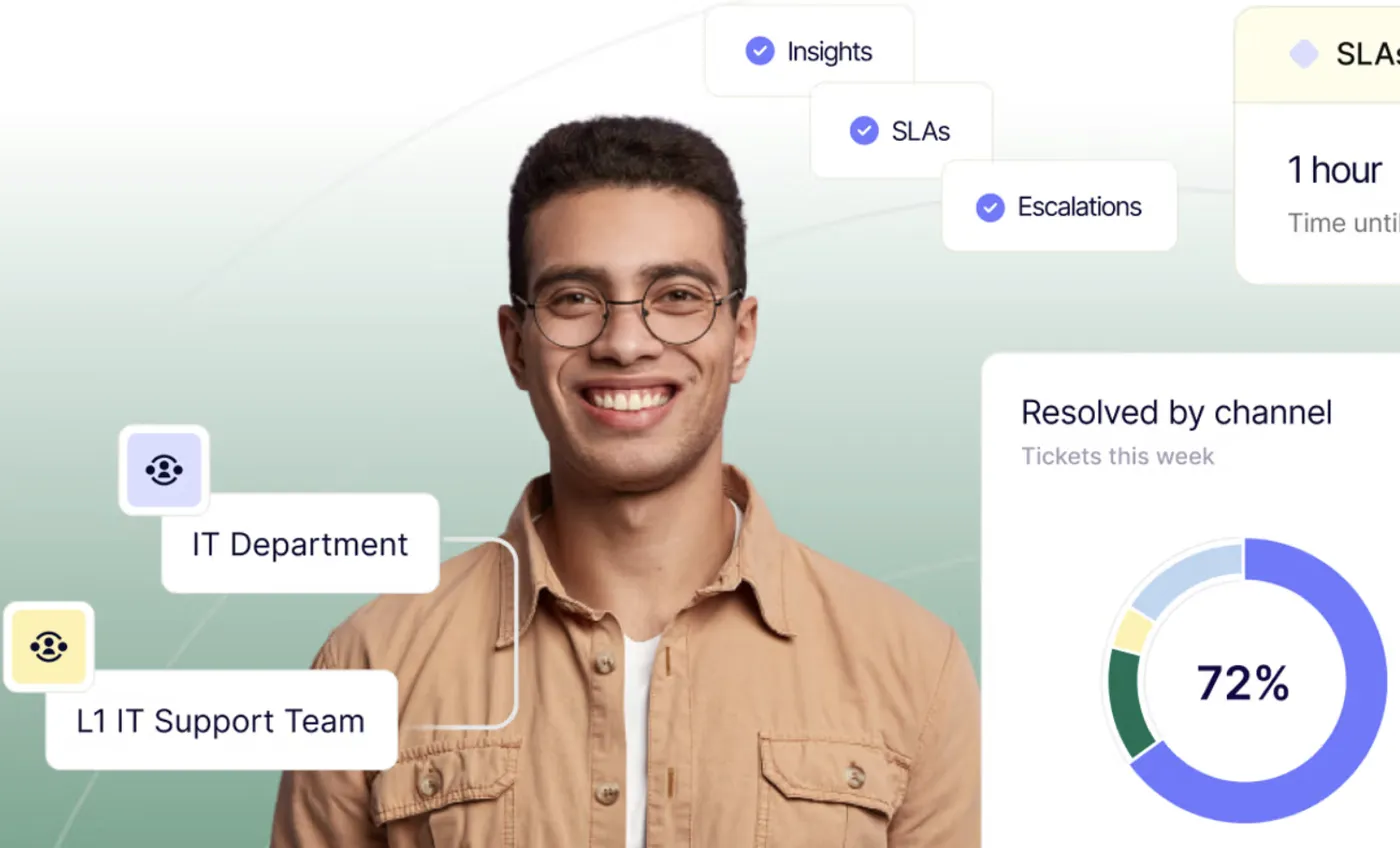
A headless CMS and a full corporate-site relaunch, delivered on borrowed engineering time under real cost pressure. The moment that defined the project: when leadership wanted to stop short to protect the revenue-generating core product, I made the data-backed case to finish the system, and the numbers proved it right.
At Deskpro I led the build of an internal CMS and the relaunch of the company's corporate website, timed to land alongside a major release of the core product.
There was no budget to hire external developers, so engineering time was borrowed from the core product, which was itself being rebuilt. Resources were stretched and the pressure to ship fast was high. The point of the CMS was to cut the time and cost of updating the site, both for the relaunch and for every change after it.
Midway through the build, the CEO wanted to divert engineering back to the revenue-generating core product before the CMS was finished, specifically before the hero component: the attention-grabbing top of every page that frames the message and pushes visitors toward a trial or demo.
There was merit to his view, but stopping there risked leaving the system half-built and missing the piece that mattered most for engagement and lead generation. The real question was how to choose, rationally and under scarce resources, between protecting near-term product revenue and finishing a tool built to generate leads for years.
I knew our CEO decided on facts, not words, so I built the case rather than argued it. I worked the numbers in three steps:
- Attributed a development cost to each component and page already built, so the comparison rested on real figures
- Sized the one-time cost of the reusable hero component against the alternative: hard-coding the top of every page across a site with dozens of subpages, and designing each one separately
- Quantified the recurring saving, the part that mattered most: with the component, someone non-technical could create a new hero in minutes; without it, every change meant a designer, a developer and a publishing cycle, multiplied across the whole site and every future revamp
Building it once cost a little more upfront and far less across design and future changes. I reframed the conversation from cost to long-term value and walked the CEO through the analysis, nudging toward the view that a cost now would be repaid many times over later.
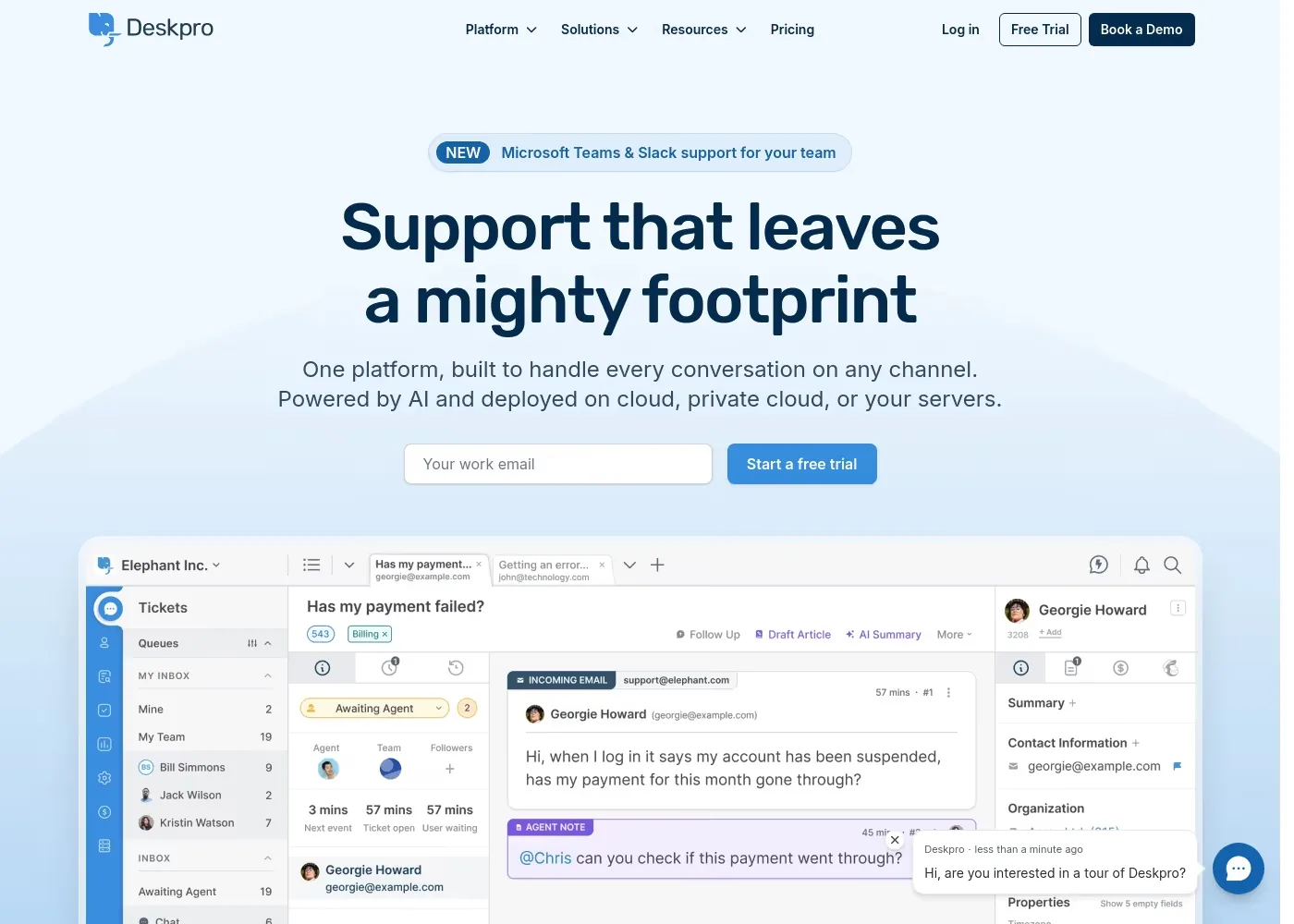
The finished CMS, including the reusable hero component, powering the relaunched Deskpro corporate site. The marketing team could now build and publish pages, and spin up new hero banners, without waiting on a designer or a developer for every change.
The CEO backed continuing the work. Once the CMS shipped and the site relaunched, the numbers moved:
- Content publishing time dropped by 90%
- The site's average visit duration rose by 150% year over year
The one-time investment we nearly cut became the thing that made the site faster to run and better at converting visitors.
When you are asking someone to spend now for a return later, conviction loses to numbers. I make the financial case for the right long-term decision, sizing one-time cost against recurring savings until the call becomes obvious. That is the lens I bring to deciding what is actually worth building in your business.
Facing a similar problem in your business?
I help teams work out what is actually worth building, then ship it. Let’s talk.
Start a conversationStart a conversation